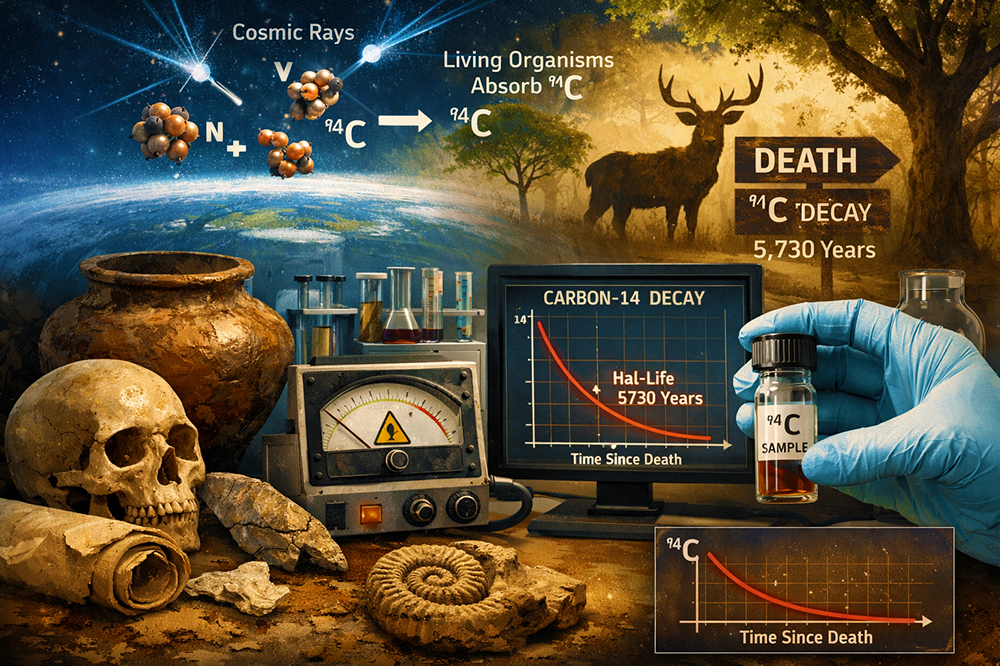
Carbon dating, also known as radiocarbon dating, is a scientific method used to determine the age of once-living materials such as wood, bone, cloth, and charcoal. It is based on the radioactive isotope carbon-14 (¹⁴C), which forms in the upper atmosphere when cosmic rays interact with nitrogen. Living organisms continuously absorb carbon, including a small amount of carbon-14, through processes like breathing and eating. However, when an organism dies, it stops taking in carbon, and the carbon-14 it contains begins to decay at a known rate, with a half-life of about 5,730 years. By measuring the remaining amount of carbon-14 in a sample and comparing it to the expected original level, scientists can estimate how long it has been since the organism died. Carbon dating has revolutionized archaeology, paleontology, and environmental science, helping researchers date ancient artifacts, fossils, and historical objects up to around 50,000 years old with remarkable accuracy.
Category: Uncategorized
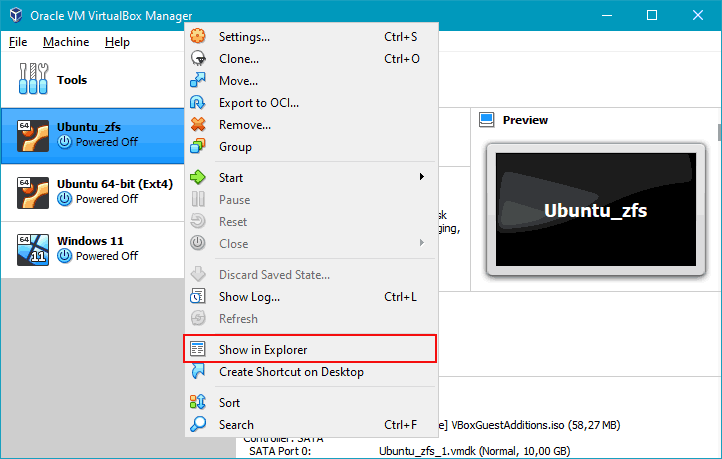
Oracle VirtualBox
VirtualBox is a general-purpose full virtualization software for x86_64 hardware (for macOS/Arm and also for Windows/Arm), targeted at laptop, desktop, server and embedded use.
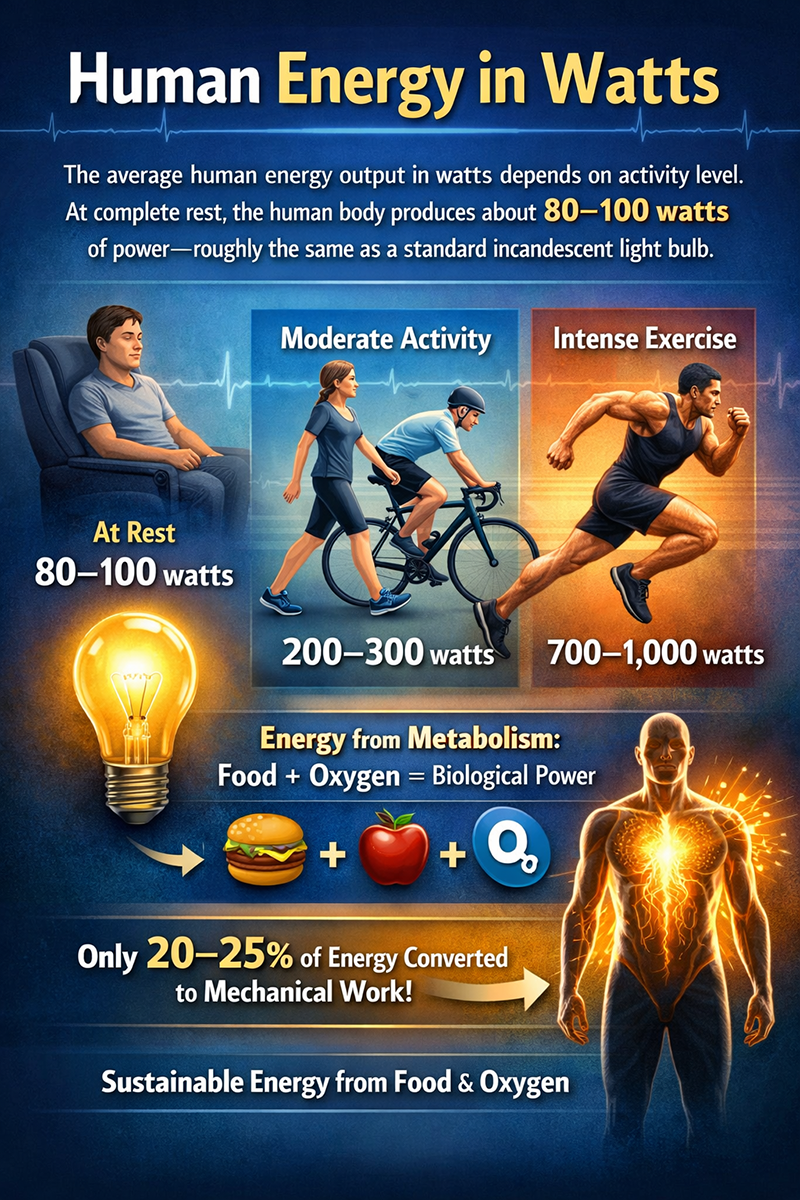
Human Energy in Watts
The average human energy output in watts depends on activity level. At complete rest, the human body produces about 80–100 watts of power. Roughly the same as a standard incandescent light bulb. This energy comes from metabolism, where food is converted into usable biological energy to keep the heart beating, lungs breathing, brain functioning, and body temperature stable. During moderate activities like walking, power output can rise to 200–300 watts, while intense physical effort such as sprinting or cycling can briefly exceed 700–1,000 watts in trained individuals. Even though humans are not highly efficient mechanical machines (only about 20–25% of metabolic energy converts to mechanical work), our continuous energy production makes us remarkably sustainable biological systems powered simply by food and oxygen.
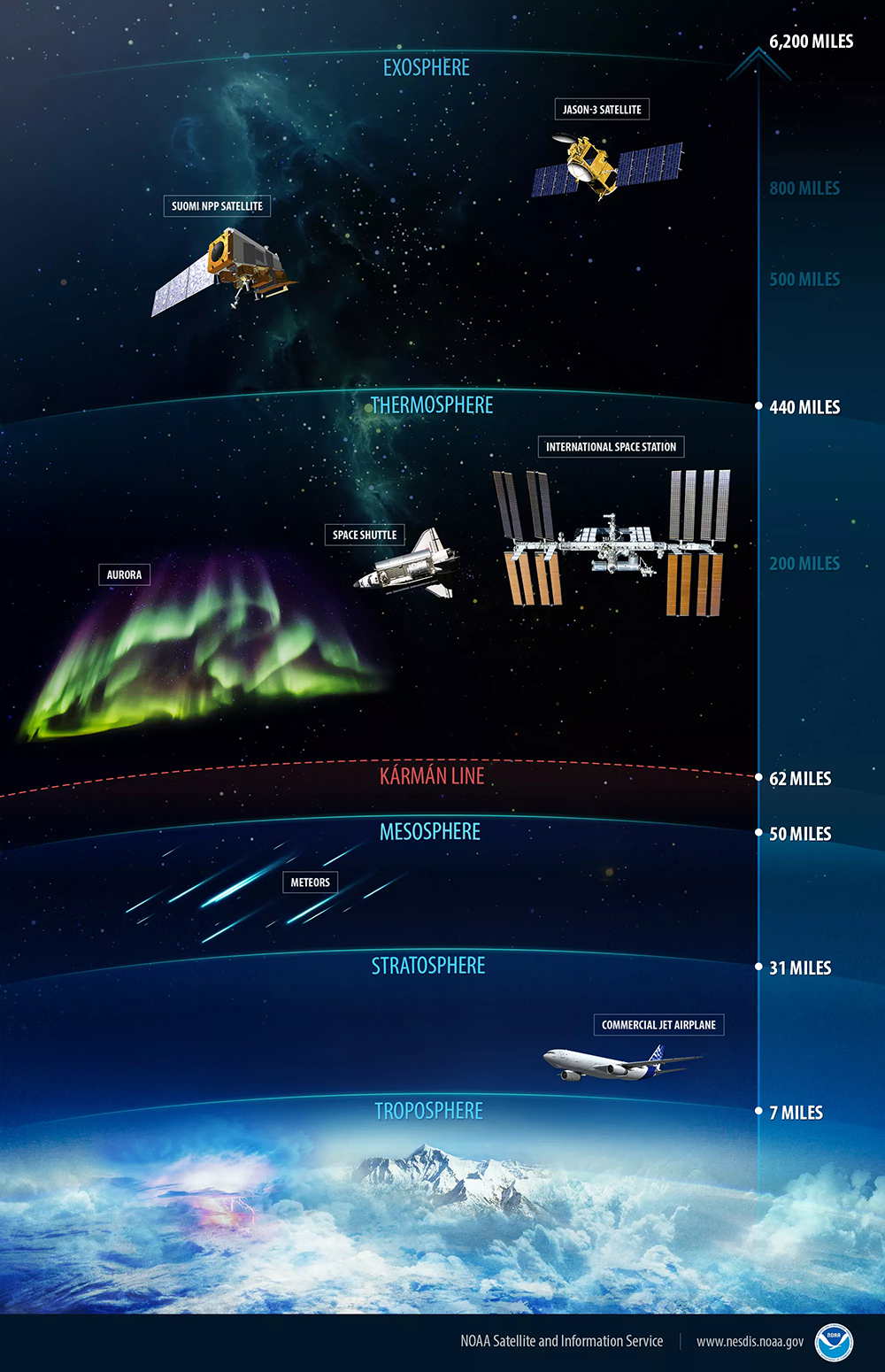
Where does outer space begin?
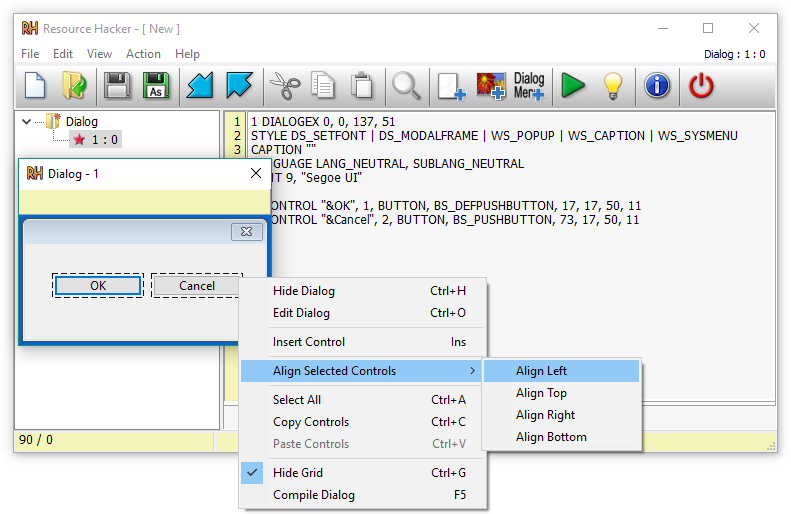
Resource Hacker
Resource HackerTM is a resource editor for 32bit and 64bit Windows® applications. It’s both a resource compiler (for *.rc files), and a decompiler – enabling viewing and editing of resources in executables (*.exe; *.dll; *.scr; etc) and compiled resource libraries (*.res, *.mui). While Resource Hacker is primarily a GUI application, it also provides many options for compiling and decompiling resources from the command-line.
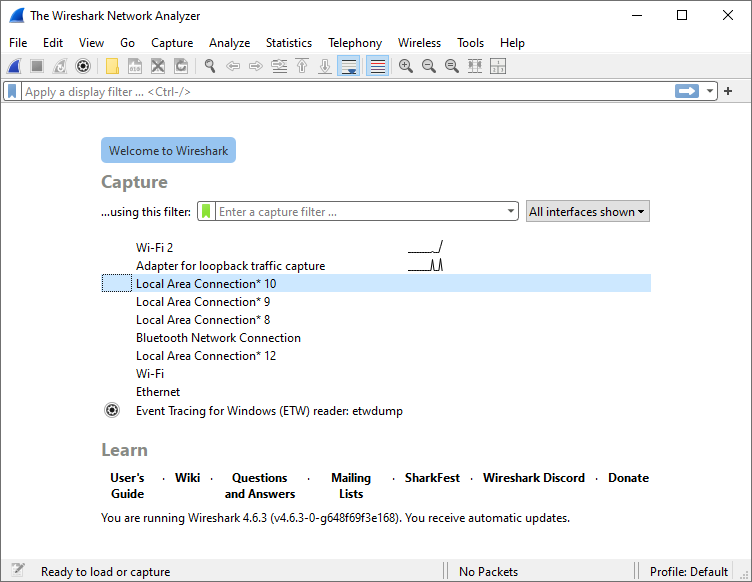
The world’s leading network protocol analyzer
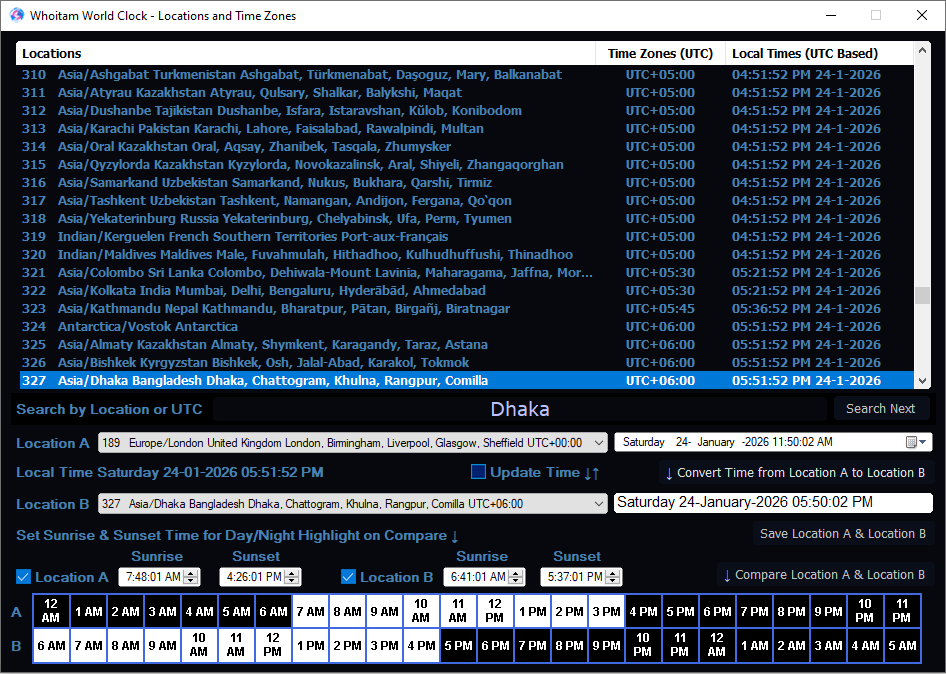
Whoitam World Clock – Locations and Time Zones
It contains all time zones along with their UTC offsets. Time zones can be searched by location name or by UTC offset. Using the index number, a time zone can be selected in both the Location A and Location B combo boxes. For any given time in Location A, the application can calculate the corresponding time in Location B. The local times of both locations can then be compared in terms of day and night. To enable this comparison, the sunrise and sunset times for Location A and Location B must be provided.
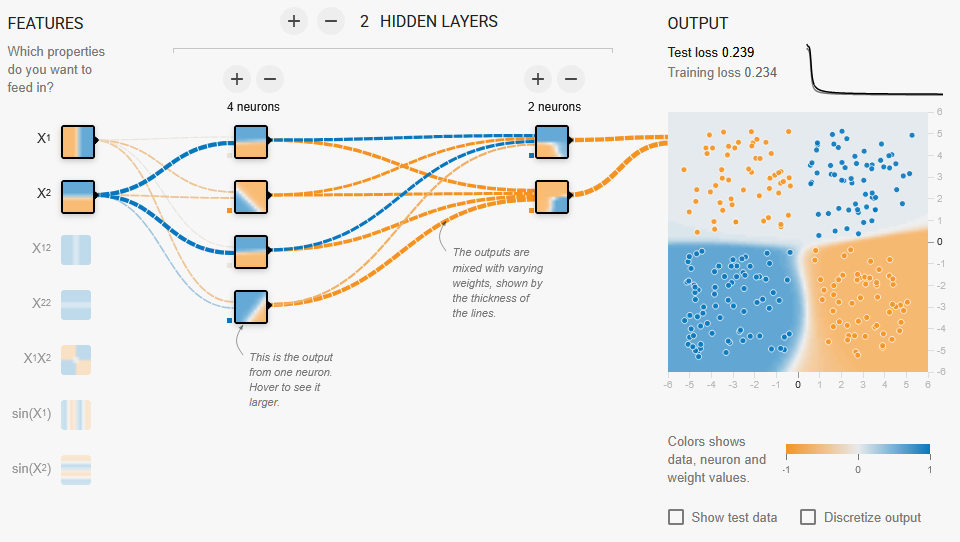
Neural Network Simulator
Neural network can learn any function. Here is a Link that visually shows how neural network learns.
GLOBAL CLOUD INFRASTRUCTURE
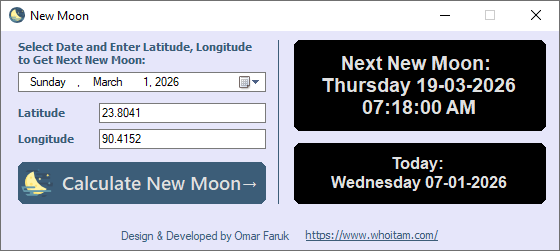
New Moon
New Moon computes the next new moon after a given date and shows the event time in local time at the supplied latitude and longitude.